
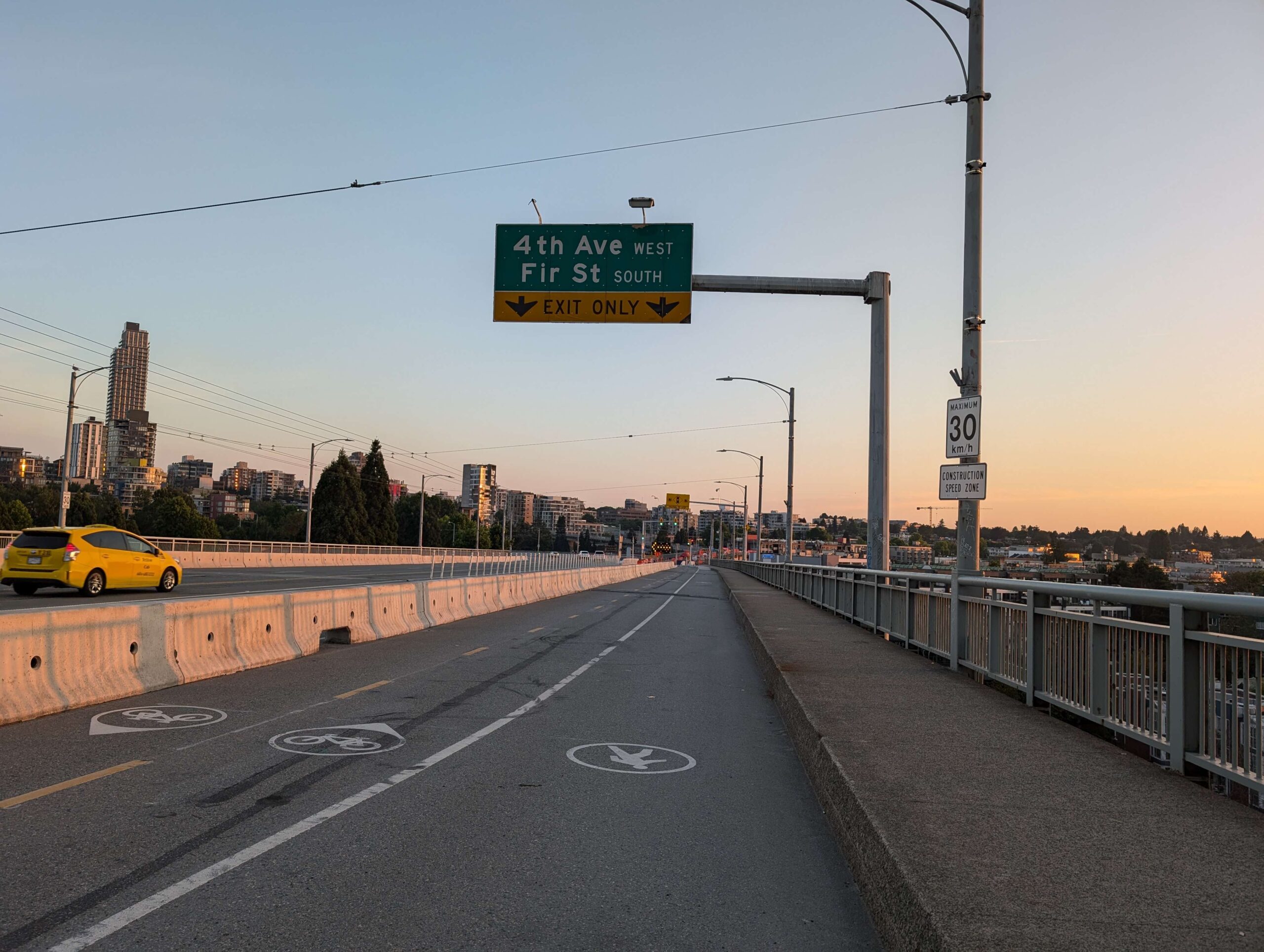
In 2012, Vancouver approved a transportation strategy which called for the city to “consider cycling improvements as part of all street capital projects”. In other words, any time the city rebuilds a road, it should consider putting in a bike lane at the same time.
The premise was simple: by doing both together, you save money by sharing costs between the two projects, accelerate the creation of a coherent cycling network, and reduce political opposition.
But 13 years later, it’s time to ask whether this strategy is working—or whether we should rethink having failing sewer pipes dictate the pace of progress on our cycling infrastructure.
Cost savings? To a degree
According to the US Federal Highway Administration, adding a bike lane at the same time as repaving saves money in three different ways: you avoid the cost of erasing the old road paint, you don’t need to bring in traffic control workers a second time, and you get to fold in the cost of the new road paint.
This is a steep discount if you are building a painted bike lane, but such penny-pinching seems unwarranted given that they are already dirt cheap. Victoria’s Johnson St bike lane in 2016 came in at a whopping $58,811, or $49 per metre. To give you an idea of how little money that is, we spent $943,000 in police overtime last year for three Taylor Swift concerts.
Of course, painted bike lanes are so cheap because they’re the least desired type of cycling infrastructure. Vancouver’s own cycling design guidelines rank them as less comfortable and unsuitable for all ages and abilities, and a Portland State study of existing cyclists found overwhelming preference for physical separation over paint—even when the paint is used to create a buffer.
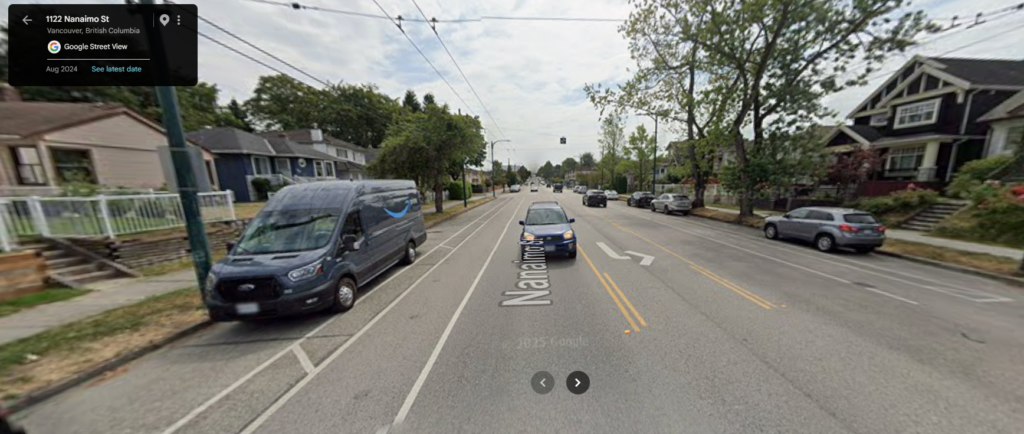
Once we look beyond painted lanes, the cost savings of tying bike lanes to roadwork are less impressive. When each flexpost costs $150 and each “plunked” concrete curb costs $200, the share of the project budget dedicated to paint falls significantly. The math gets much worse with permanent bike lanes: once you start rebuilding curb and gutter, the cost of erasing old road paint becomes a rounding error.
More importantly, this analysis ignores a massive hidden cost: the cost of waiting around until a roadwork opportunity arises. Between 2017 and 2024, the road construction cost index in BC grew by over 25%—including 7% in a single year in 2022. When inflation is factored in, delaying a worthy bike project to take advantage of future roadwork instead of doing it now quickly becomes penny wise and pound foolish.
Bike lane placement dictated by failing sewers isn’t creating a network
We know that it’s not the amount of infrastructure that gets people onto bikes, it’s how it connects. That’s why local routes in Kitsilano generate bike volumes that rival the BC Parkway, while the kilometres of multi-use pathway in South Surrey and Langley Township’s sprawling new subdivisions serve as little more than window dressing for developers.
In this respect, the placement of roadwork opportunity bike lanes has underdelivered.
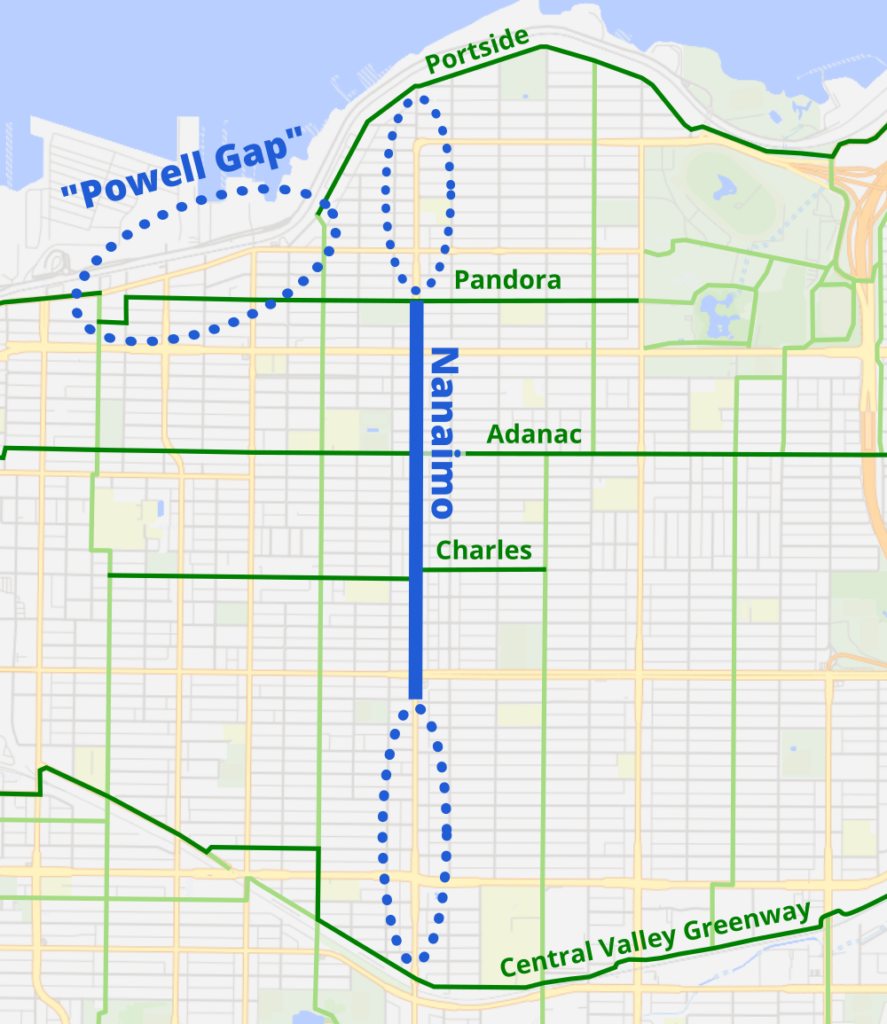
Take, for instance, the 2021 sewer upgrade that created a bike lane on Nanaimo St between Pandora St and 2nd Avenue. This lane only connects the Adanac and Pandora bikeways, as well as the short, semi-official Charles St bike route—connections that were already possible on most north-south streets in Grandview-Woodland.
Want to go further north to the Portside Greenway? Unfortunately, they didn’t need a sewer pipe north of Pandora so you’re out of luck. Enjoy sharing the road with every Ironworkers-bound car leaving Downtown. Or south to the Central Valley Greenway? That’s an 11-block ride in mixed traffic on a busy arterial with a noticeable slope.
An upcoming upgrade to the Portside Greenway underscores why it makes little sense to prioritize roadworks over networks. Just because the sewer beneath needs to be replaced, the city is about to spend over $2 million to rebuild Wall Street as a traffic-calmed local street bikeway.
Meanwhile, the Portside Greenway still abruptly ends at the infamous “Powell Gap” at Semlin Dr, dumping you onto one of East Van’s busiest roads for five blocks with no plan to plug the gap anytime soon. Put another way, we’re planting tulips by the roadside while the bridge up ahead is still out.
Political benefits? Not on King Ed, Broadway or Granville
The final argument in favour of tying bike lanes to roadwork is about its alleged political benefits. The thinking goes that if you’re already closing the road, people won’t mind as much if it comes back months down the road with a bike lane.
The city put this theory to the test on King Edward Ave in Dunbar, planning to quietly implement a parking-protected bike lane alongside a new sewer main. After all, who would miss a handful of parking spots that haven’t existed for two years? As I previously wrote about, the answer turned out to be quite a lot of people; the plan was scuttled by local opponents weeks before it was set to open.
A similar story played out on Broadway, where then-councillor Christine Boyle pushed for a bike lane to go in with construction while the parking was already gone. Nonetheless, an array of the usual suspects still showed up to lament the loss of parking and circulation lanes that hadn’t existed for three years.
Even when everything goes right, the political advantages aren’t so clear-cut. Take, for instance, the new Granville Connector project that added a high-quality bike lane on the last car-only bridge out of Downtown. By any indication, the project was broadly a success and saved taxpayers a lot of money by tying it to $54 million of seismic and structural upgrades that the bridge already needed.
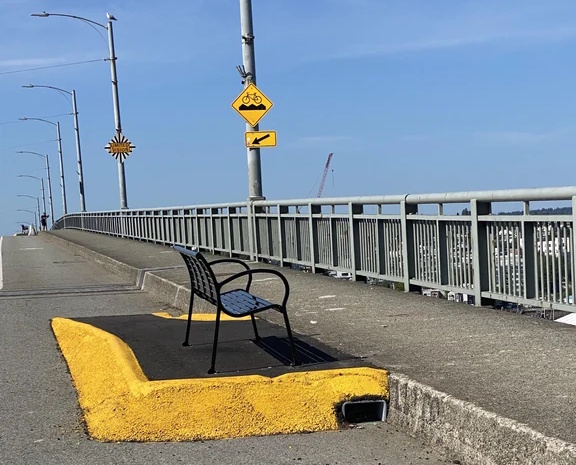
But did anyone credit the city for finding a creative way to leverage the structural upgrade to get better biking and walking infrastructure on the Granville Bridge? Hardly. All anyone wanted to talk about was how we spent so much money on the world’s ugliest bench.
This article is not a call to stop building bike lanes when we do roadwork—when it’s appropriate. Undoubtedly, reallocating from our countless overbuilt roads can play a key part in expanding the cycling network.
But opportunity should not create compulsion. The problem comes when our strict adherence to road upgrade schedules causes us to prioritize the wrong project at the wrong time, without thinking about whether a better project somewhere else gets us closer to the complete network we actually want.
After all, nobody waited on a sewer pipe to install the Beach Avenue lane, which immediately became the most popular bike lane in the entire city. Roadwork is but one tool to get bike lanes built for cheaper and faster—it’s time to more seriously consider the others.


Leave a Reply