
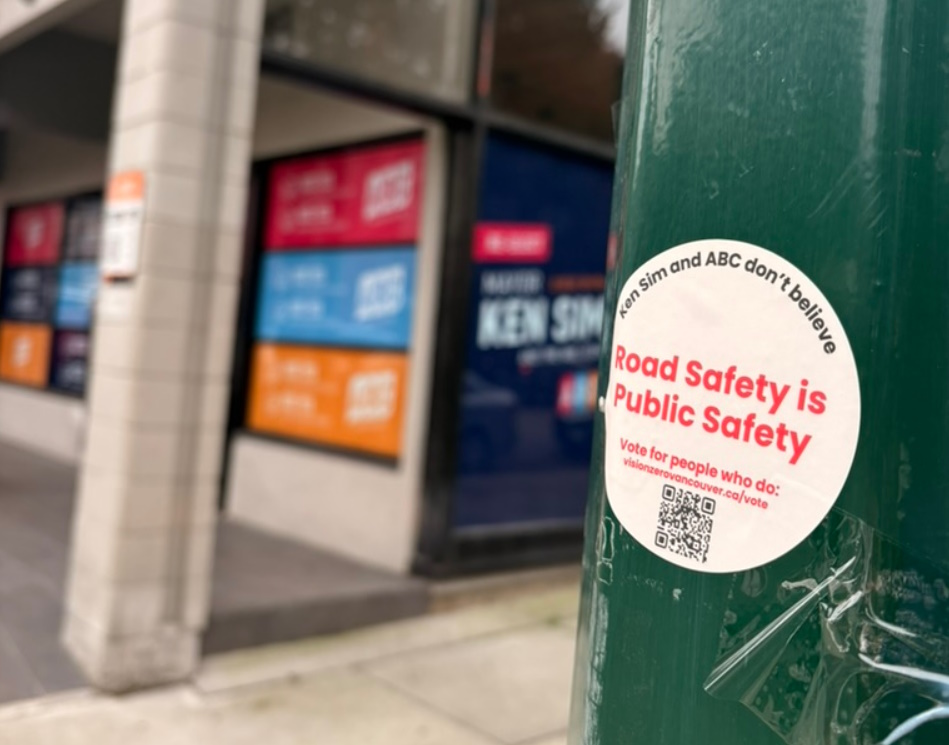
Ken Sim doesn’t like the banana barriers in Hastings–Sunrise. That’s not too surprising: neither do many people in the area, and as past experience shows, angry residents presage an inevitable ABC flip-flop.
But while the debate over traffic calming is grabbing the headlines, ABC has also proposed a much more profound—and destructive—change to the way that we plan our streets.
In a press release issued today, Sim vows to “ensure that Council has the authority to provide effective oversight of major changes […] within Vancouver neighbourhoods”. This sounds innocuous at first glance, but it represents a sea change to the planning process that will insert politics into every road safety effort.
In May 2017, Gregor Robertson’s Vision Vancouver proposed a by-law which delegates to the city engineer the power to implement road safety initiatives. A delegation is a grant of council’s power to another person or body—in this case, the office of the chief engineer—to do something that would otherwise require direct council approval.
Under the delegation, the chief engineer does not need individual council authorization for every bike lane, sidewalk widening, traffic diversion and bus lane that their team implements.
Previously, the chief engineer only possessed delegated powers to widen roads and paint lanes for cars. In other words, from 1944 to 2017, the chief engineer could do whatever they liked to city roads—so long as it was for the benefit of cars—but anything that would reallocate roadspace for other users had to be brought to council for approval.
The by-law was approved along party lines, with the Greens and NPA opposed to letting the chief engineer mark bike lanes.
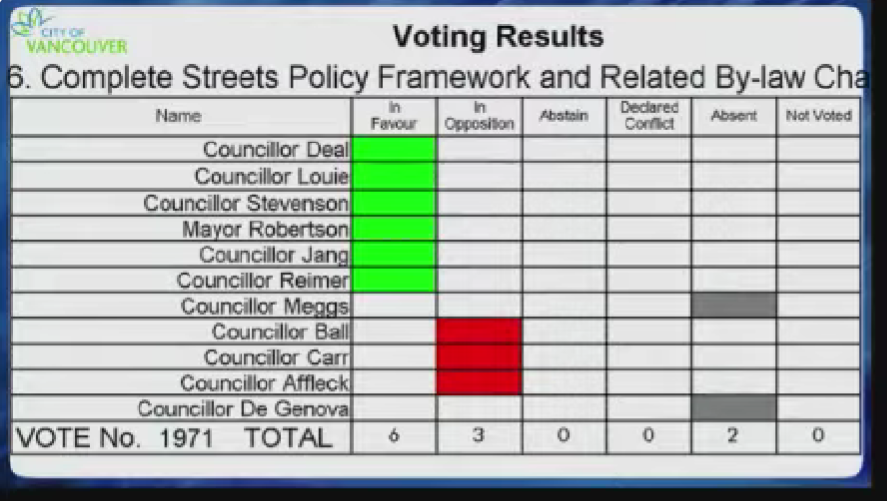
Ken Sim’s plan makes clear that a re-elected ABC majority will repeal the 2017 delegation and restore a system that required a recorded council vote to authorize each road improvement for non-drivers.
This would be a stinging blow to Vancouver’s ability to build safer streets.
First, this wastes precious staff time collecting materials for a council report and pausing work to await a go-ahead. Indeed, the staff report that introduced the 2017 by-law noted that key benefits of the change included freeing staff to “focus their efforts on robust consultation and public engagement” and creating “more normalized, predictable project timelines”.
Second, this introduces political gamesmanship into the road design process. As with housing, individual votes on each road safety project incentivize councillors to grandstand at the expense of desperately needed but temporarily controversial ideas. Indeed, I would argue that the 2017 reform was in at least some part responsible for reducing the salience of the bike lane culture wars that marked the Robertson mayoralty.
Finally, this gives an outsized voice to the loudest and least representative opponents. A council vote means a public hearing, which is already bad enough for participation. But transportation matters are heard at council committee, which meets at 9:30am on Wednesdays. In other words, virtually anyone with a 9-to-5 job or daytime classes is entirely barred from participation, while those with time to spare get to present council with a false consensus.
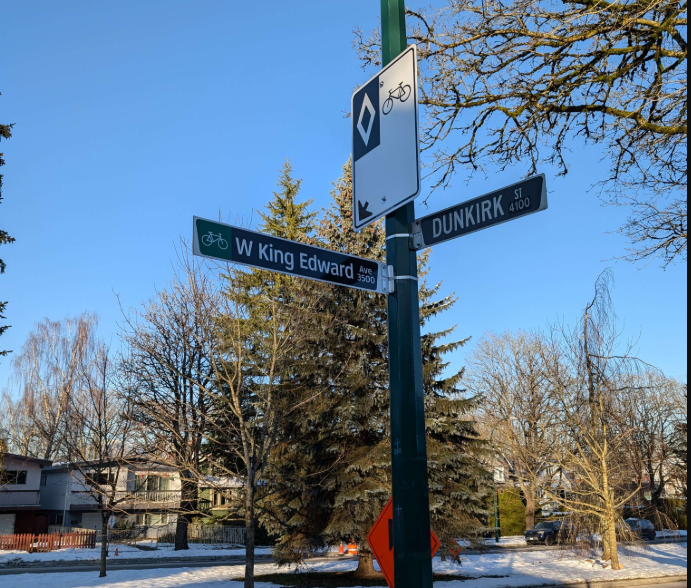
Some might suggest that improved democratic accountability is worth these drawbacks, but this ignores that council still has meaningful control even without a formal vote. Most directly, council sets the chief engineer’s priorities in the medium term by funding projects in the capital plan. More granularly, the mayor’s office holds significant sway over the city manager, and ABC has shown itself more than capable of using this tool when it axed the King Edward bike lane.
In brief, repealing the 2017 delegation is a solution in search of a problem which will embolden NIMBYism and bring progress on road safety initiatives to a screeching halt. By proposing this policy, Ken Sim is gumming up the works of the engineering department for years to come—a legacy of obstruction that would far outlast his mayoralty.

Leave a Reply